
How sight and hearing loss affect daily life
Both become more common with age, and both often develop so gradually that the person adapts without realising how much they are missing. Common causes of sight loss in later life include cataracts, age-related macular degeneration, glaucoma and diabetic retinopathy. Hearing loss is most often age-related, although a build-up of earwax can also muffle sound.
The effects reach into every part of life: reading post and medicine labels, cooking safely, recognising faces, using the phone, hearing the doorbell, following conversations and enjoying television. Sight and hearing loss also increase the risk of falls and can lead people to withdraw from company, so treating them is about safety and wellbeing as much as convenience.
Free NHS sight tests
NHS sight tests are free for everyone aged 60 and over, and for people with diabetes or glaucoma, people registered as sight impaired, and others. Most people should have their eyes tested every two years, or more often if the optician advises. A sight test is also a health check, and can pick up conditions such as glaucoma before the person notices symptoms.
If someone qualifies for a free test and cannot leave home unaccompanied because of physical or mental illness or disability, an optometrist can visit them at home.
Hearing tests and NHS hearing aids
Signs of hearing loss include asking people to repeat themselves, struggling in noisy places or on the phone, turning the television up louder than others like, and feeling tired from concentrating to listen. Family often notice before the person does.
The GP can check for earwax or infection and refer to the NHS hearing service. Some pharmacies and opticians offer free hearing tests, and RNID has a free online hearing check. Not all GP surgeries remove earwax; the NHS suggests olive or almond oil drops first, and advises never using cotton buds.
Hearing aids work best when worn every day, so that the brain gets used to them. Help with cleaning, changing batteries or charging, and putting them in, is something a carer can easily support.
Making the home easier with sight loss
- Light: bright, even lighting throughout, with extra task lights for reading, cooking and the stairs. Reduce glare with blinds or net curtains.
- Contrast: a coloured edge on each step, light switches and door handles that stand out from the wall, and crockery that contrasts with the food and the table.
- Order: keep things in the same places, and tell the person if anything has been moved.
- Clear routes: remove clutter and trailing wires, and keep doors fully open or fully shut.
- Marking: tactile “bump-on” dots on cooker dials, the microwave and washing machine settings.
- Equipment: magnifiers, talking clocks and watches, liquid level indicators for hot drinks, large-button phones and voice-controlled smart speakers. A low vision clinic, usually through the hospital eye service, can advise on magnifiers.
Equipment designed for people with sight loss, including low vision aids, can be bought without VAT by people who qualify.
Making the home easier with hearing loss
- A doorbell with a flashing light or a vibrating pager.
- An amplified telephone, or a phone that works with hearing aids.
- Subtitles on the television, or a television listener that sends sound straight to the person.
- Smoke alarms with flashing lights or vibrating pads.
- A hearing loop at home, which works with many hearing aids.
How to communicate with someone who has sight or hearing loss
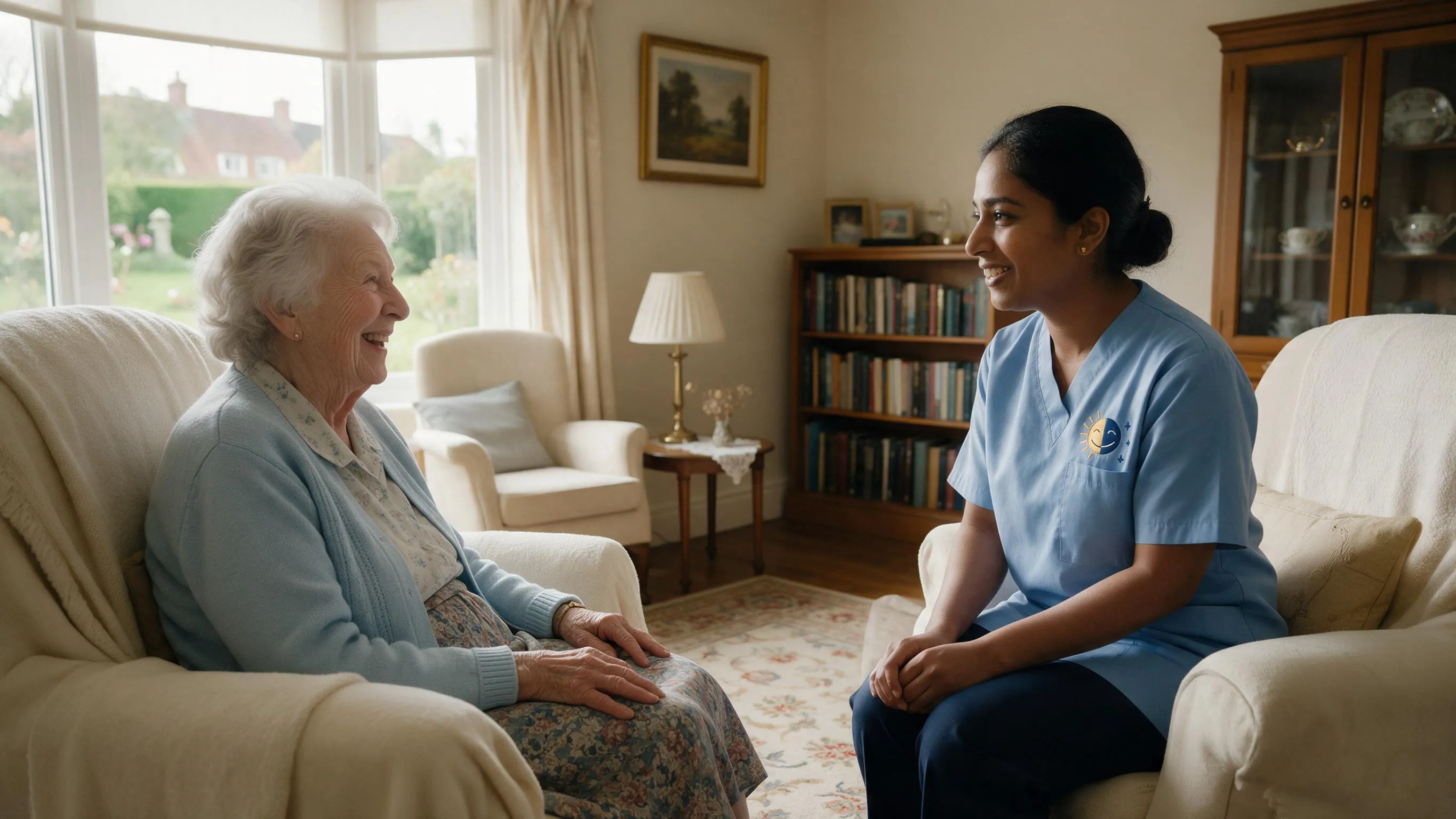
With hearing loss, RNID’s advice includes:
- Get the person’s attention before you start speaking.
- Face them, in good light, without a window or lamp behind you, so they can see your lips and expressions.
- Speak clearly at a normal pace; do not shout.
- Reduce background noise, and talk one at a time.
- If they do not understand, rephrase rather than repeat the same words.
- Write down important details such as appointment times.
With sight loss:
- Say who you are when you come into a room, and say when you are leaving.
- Describe where things are, for example using a clock face for food on a plate.
- When guiding, offer your arm rather than pushing or pulling, and mention steps and doorways ahead.
- Do not move furniture or belongings without saying so.
When sight and hearing loss happen together
Some people have both sight and hearing loss, sometimes called dual sensory loss or deafblindness. It is more than the sum of its parts, because each sense can no longer make up for the other. In England, councils must make sure an assessment of a deafblind person is carried out by someone with specialist training. Deafblind UK’s free helpline is 0800 132 320.
Registering as sight impaired
If sight loss cannot be corrected, a consultant ophthalmologist can complete a Certificate of Vision Impairment (CVI), certifying the person as sight impaired or severely sight impaired. Many eye clinics have an eye clinic liaison officer (ECLO) who can explain the process and offer emotional and practical support. The council then offers to add the person to its register and should arrange an assessment of the support they need to stay independent, which may include training in getting around safely, cooking and managing daily tasks.
How to get NHS help, step by step
For sight:
- Book a sight test with any high-street optician and say the person is entitled to a free NHS test (for example, because they are 60 or over).
- If they cannot leave home unaccompanied, ask for a home visit from a mobile optician.
- If the optician finds a problem, they will refer to the GP or the hospital eye service.
- At the eye clinic, ask to speak to the eye clinic liaison officer (ECLO), and ask about the low vision service for magnifiers and lighting advice.
- If sight loss is certified, expect contact from the council. If nobody gets in touch, call the council’s adult social care team, or the RNIB Helpline for help.
For hearing:
- Book a GP appointment to check for earwax or infection and ask for a referral to the NHS hearing (audiology) service. Some areas accept self-referral; ask the GP surgery.
- At the hearing assessment, ask about NHS hearing aids and equipment for the home.
- After fitting, keep the follow-up appointment and ask how to get free batteries and repairs.
Checklist: daily hearing aid care
- Wipe the aids each day with a dry cloth or the wipes the hearing service recommends.
- Check batteries or charging every morning, and keep spares where they are easy to find.
- Keep aids away from water, heat and hairspray.
- Take them out at night and store them in their case, out of reach of pets.
- If an aid whistles, sounds weak or stops working, contact the hearing service that fitted it.
Council sensory services
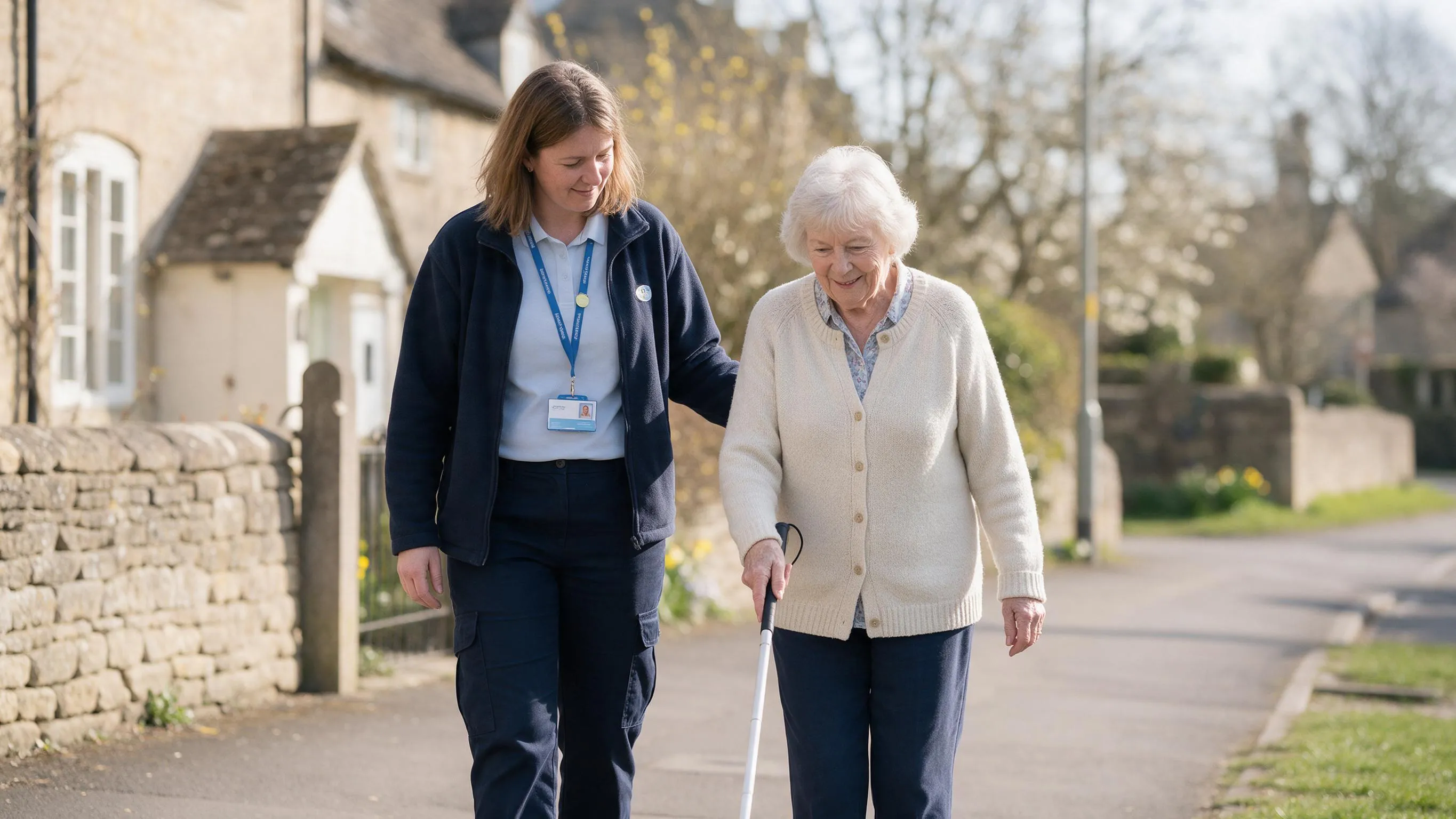
Every council’s adult social care team supports people with sight and hearing loss, often through a specialist sensory team. Ask for a care needs assessment. Equipment and minor adaptations costing £1,000 or less are free if the council assesses a need. Our equipment and home adaptations guide explains how to ask.
When to get urgent help
- Call 999 or go to A&E if someone suddenly cannot see from one or both eyes, or has sudden severe eye pain. Do not drive yourself.
- Ask for an urgent GP appointment or contact NHS 111 (free, 24 hours) for flashing lights, new floaters or a dark shadow across vision, sudden blurred or double vision, a red and painful eye, or sudden hearing loss in one or both ears.
- See an optician about any gradual change in sight, and the GP about gradual hearing loss.
How care at home can help
A carer can make a real difference to independence: reading post and labels, supporting medicines, cooking safely, keeping the home well lit and clutter-free, helping with hearing aids and glasses, and going with the person to appointments. A consistent carer learns exactly how the person likes to communicate. For people who also live with frailty or dementia, live-in care means support is always at hand; for others, home care visits at key times are enough. Our falls prevention guide is also worth reading, as sensory loss raises the risk of falls.
Help with costs and concessions
- Free NHS sight tests from age 60, with home visits for those who qualify.
- Free NHS hearing aids, batteries and repairs.
- No VAT on low vision aids and other equipment for people who qualify.
- If registered severely sight impaired: an automatic Blue Badge, a half-price TV licence and Blind Person’s Allowance.
- Attendance Allowance (£76.70 or £114.60 a week, not means-tested) if someone over State Pension age needs help with personal care, or Personal Independence Payment under State Pension age.
Where to get support
- RNIB Helpline: 0303 123 9999. Monday to Friday, 9am to 6pm.
- RNID contact centre: 0808 808 0123 (free), or text 07360 268 988. Monday to Friday, 8.30am to 5pm.
- Deafblind UK Helpline: 0800 132 320 (free). Monday to Thursday 9am to 5pm, Friday 9am to 4pm.
- Age UK Advice Line: 0800 678 1602 (free). 8am to 7pm, every day of the year.
What to do next
- Book a free NHS sight test, at home if needed.
- Ask the GP about a hearing check and a referral to the NHS hearing service.
- Improve lighting and contrast, starting with the stairs, kitchen and bathroom.
- Agree simple communication habits with everyone who visits.
- Ask the council for a sensory or care needs assessment.
- If sight loss is significant, ask the eye clinic about certification and registration.
How we can help
Day and Nightcare provides fully managed live-in care anywhere in England, from £1,550 a week, and home care visits, waking nights and sleep-ins across Oxfordshire, and 24-hour care with carers working in shifts anywhere in England. Call 01865 715780 to arrange a free assessment.
Common questions
Are NHS hearing aids really free?
Yes. NHS hearing aids are provided free as a long-term loan, and follow-up appointments, aftercare, batteries and repairs are free from the service that fitted them. There may be a charge if an aid is lost or damaged. NHS aids are usually the behind-the-ear type, and waiting times can be longer than privately. Start by asking the GP for a referral, or ask the local hearing service whether self-referral is possible.
What are the benefits of registering as sight impaired?
Registration is voluntary and confidential, and it can open doors. It gives access to the council's specialist support and can make it easier to claim benefits. People registered as severely sight impaired automatically qualify for a Blue Badge and can get a half-price TV licence, and they can claim Blind Person's Allowance, an extra tax-free allowance. Other concessions include free postage for some items through the Articles for the Blind scheme.
Are glasses free on the NHS for older people?
Not automatically. Being 60 or over gives a free NHS sight test, but not free glasses. People can get an NHS optical voucher towards glasses or contact lenses if they, or their partner, receive Pension Credit Guarantee Credit, income-based Jobseeker's Allowance or qualifying Universal Credit, or if they are named on an HC2 certificate. Those with an HC3 certificate may get partial help. Ask the optician to check entitlement before choosing frames.
What is Charles Bonnet syndrome?
Charles Bonnet syndrome is when someone who has lost a lot of their sight sees things that are not there, such as patterns, people or animals. It is caused by the brain reacting to the loss of visual information, not by mental illness or dementia, and the person usually knows the images are not real. It can be frightening, so reassurance helps. Mention it to the GP or optician to rule out other causes.
Is hearing loss linked to dementia?
Research suggests hearing loss may be one of the risk factors for dementia, which is one more reason to have hearing checked and to wear hearing aids if they are recommended. Hearing loss can also be mistaken for confusion or memory problems, because someone who mishears answers questions wrongly. If memory seems to be changing, a hearing test is a sensible first step alongside a GP review.
Sources and further information
- NHS: Free NHS eye tests and optical vouchers
- NHS: Vision loss
- NHS: Hearing loss
- NHS: Hearing aids and implants
- RNIB: Registering as sight impaired
- RNID: How to communicate with someone who is deaf or has hearing loss
- GOV.UK: VAT relief for disabled people
Prepared by the Day and Nightcare care team. Last updated 30 October 2026; sources last checked 30 October 2026. This guide is general information about care in England, not financial, legal or medical advice.