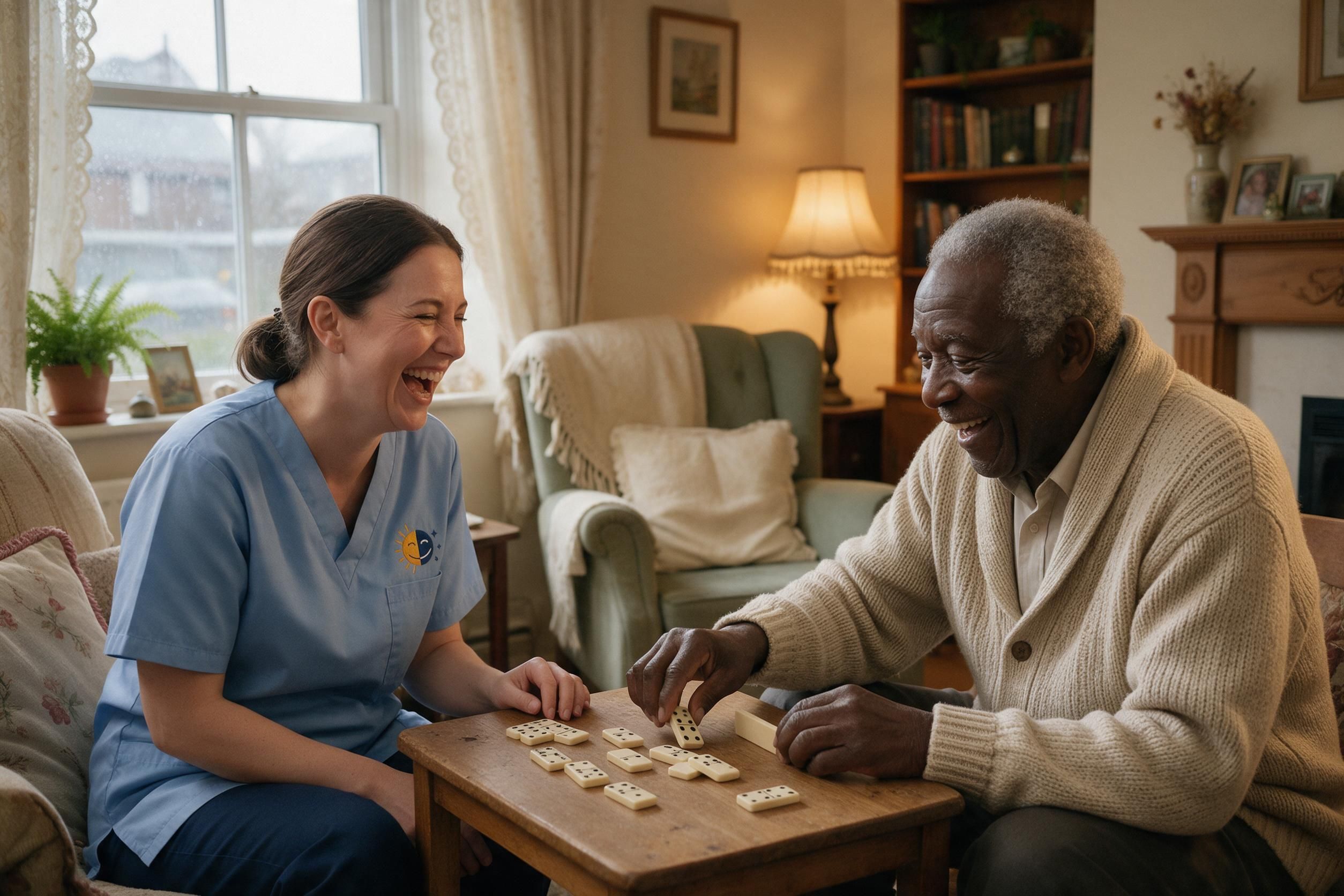
Why loneliness is common in later life
Loneliness can affect anyone, but later life brings many of the changes that trigger it: losing a partner or friends, retiring, moving home, illness, reduced mobility, sight or hearing loss, giving up driving, becoming a carer, or family living far away. Age UK’s research suggests that nearly a million people aged 65 and over in the UK often or always feel lonely.
Loneliness is not a personal failing, and it is not just about being alone. It is linked with low mood, poorer sleep, less activity and poorer physical health, which is why it deserves to be taken as seriously as any other health concern.
Signs that someone may be lonely or low
People rarely say “I’m lonely”. The signs are often indirect:
- Withdrawing from friends, family or activities they used to enjoy.
- Talking much more about the past, or saying things like “what’s the point?”
- Phoning family very often, or hardly at all.
- Not looking after themselves or the home as before.
- Changes in sleep or appetite, or drinking more alcohol.
- Irritability, tearfulness or seeming flat.
- Physical complaints such as tiredness or aches without a clear cause.
Some of these are also signs of depression. The NHS advises seeing a GP if low mood has lasted more than two weeks, if someone is struggling to cope, or if things they have tried are not helping.
How to talk about loneliness
Loneliness can feel embarrassing to admit. Raise it gently and without judgement, in an everyday moment rather than a formal conversation. Ask open questions: “How have the days been since Dad died?” or “What do you miss most about driving?” Listen more than you advise, and build on what the person says matters to them rather than presenting a list of solutions.
What helps: companionship and connection
Regular, reliable contact makes the biggest difference, and quality matters more than quantity.
- A rhythm of contact: a daily phone call at the same time, a weekly visit, a standing lunch date.
- Shared activity: doing something together, such as a walk, a crossword, cooking or watching a match, is often easier than “just talking”.
- Purpose: a role or responsibility, such as caring for a pet or plants, helping a grandchild with homework or volunteering, gives the day meaning.
- Familiar places: the same café, church, mosque, temple, library or market, where people know them.
- Neighbours: a friendly neighbour who calls in can be as important as family.
Staying connected when getting out is hard
- Remove barriers: check hearing aids and glasses; poor hearing and sight make conversation exhausting and isolating. See our sight and hearing loss guide.
- Transport: ask the council about community transport, dial-a-ride services and the Blue Badge scheme. People of State Pension age in England can get free off-peak bus travel.
- Phone and video: large-button phones, video calling and smart speakers can keep family in touch.
- Letters and photos: for some, cards, letters and printed photos mean more than messages on a screen.
Activities and local groups
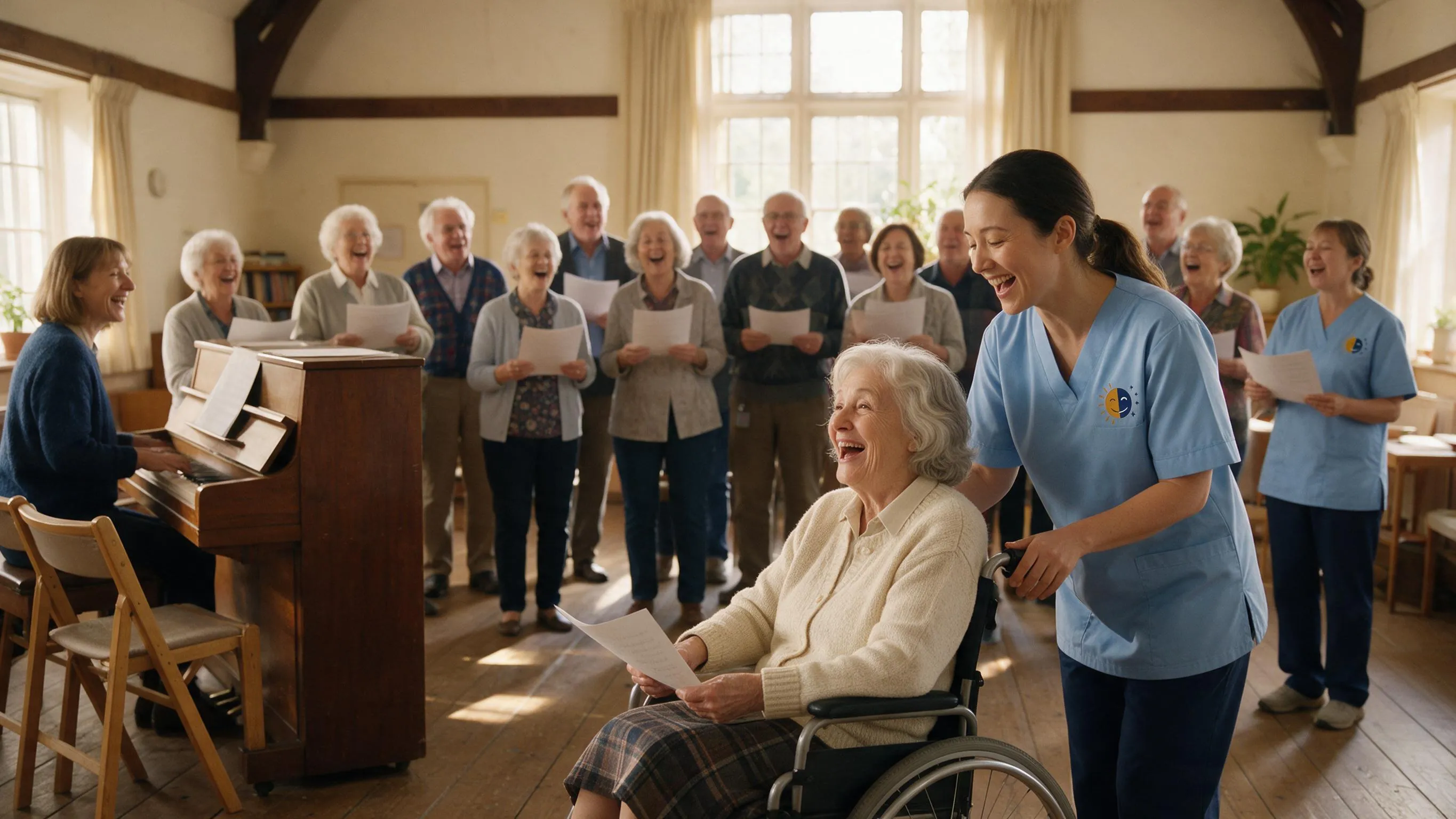
What helps depends on the person’s personality and interests. Options in most areas include:
- Lunch clubs and coffee mornings, often run by local Age UKs and faith groups.
- Interest groups such as choirs, gardening clubs, walking groups, book groups, and learning groups for people in later life.
- Men’s Sheds and craft groups for people who prefer to make or fix things side by side.
- Re-engage, which organises regular tea parties for older people who live alone.
- Day centres, including specialist ones for people with dementia.
- Volunteering, which many people find gives them company and purpose.
Ask the GP practice about social prescribing. Link workers in GP practices across England can spend time with someone, find out what matters to them and connect them with local groups and services.
In Oxfordshire, Age UK Oxfordshire and the county council’s Live Well Oxfordshire directory list local groups, activities and services.
Checklist: a weekly connection plan
Fill this in together and stick it on the fridge:
- Every day: who phones, and at what time?
- Every week: who visits, and on which day?
- One regular activity: a group, class, service or club, with transport arranged.
- One outing: shopping, a café, the library or a walk.
- One neighbour or friend who knows to look out for them.
- Practical checks: hearing aids and glasses working, phone charged, key numbers in large print by the phone.
How to get help locally, step by step
- Talk to the GP practice: ask for a GP appointment if mood is low, and ask to see the social prescribing link worker.
- Talking therapies: search “NHS Talking Therapies” on the NHS website with the person’s postcode to find the local service and refer online or by phone.
- Befriending: call the Age UK Advice Line or the local Age UK to ask about telephone or face-to-face befriending.
- Groups and transport: ask the council, library or local Age UK about groups, day centres and community transport.
- Care and support: ask the council’s adult social care team for a free care needs assessment if getting out or managing at home has become hard.
Befriending and helplines
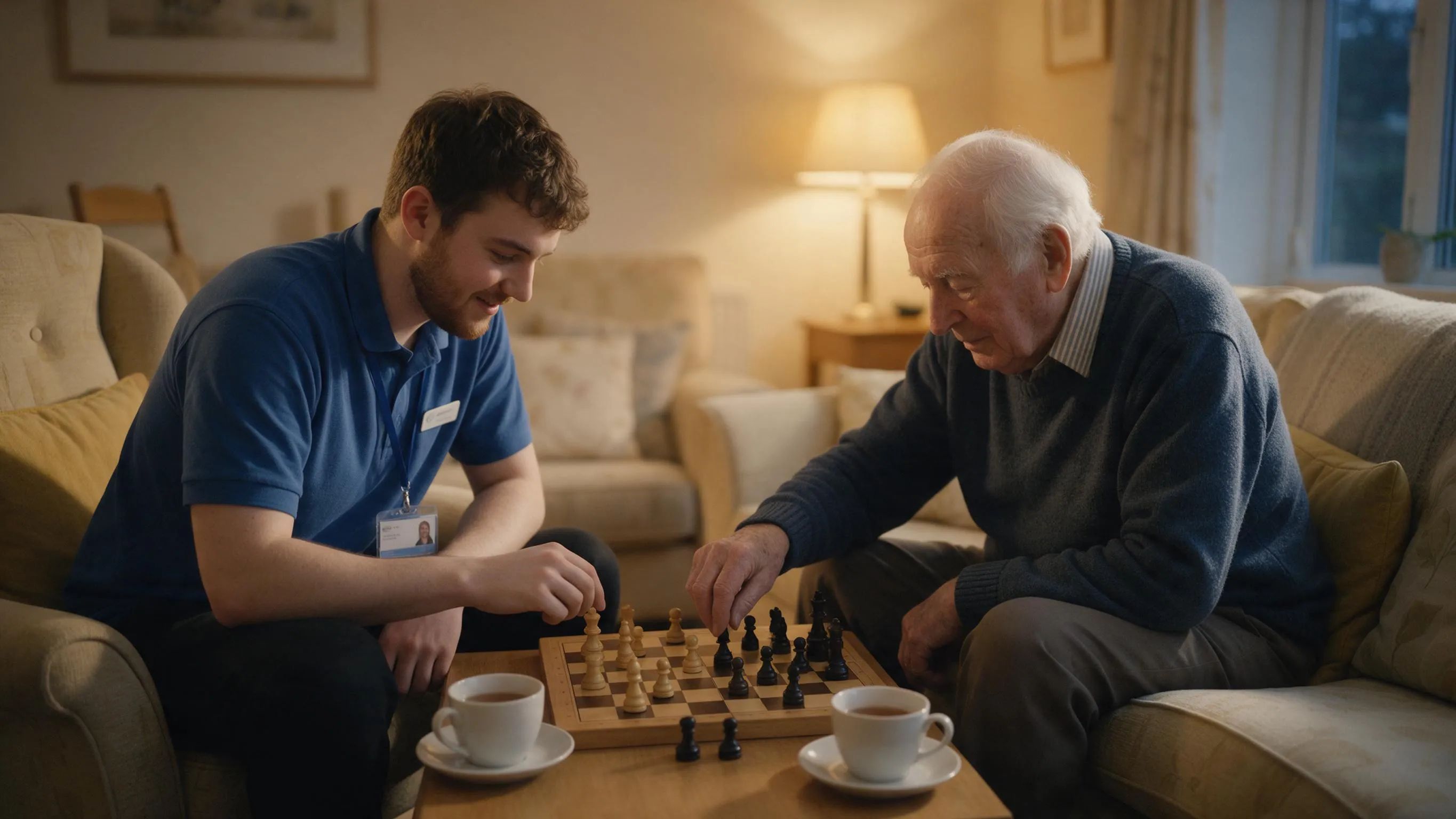
- Telephone befriending: Age UK and the Silver Line offer free regular calls with a volunteer.
- Face-to-face befriending: many local Age UKs arrange a volunteer to visit or go out with someone.
- The Silver Line Helpline: 0800 4 70 80 90, free, confidential and open 24 hours a day, every day, for people aged 55 and over.
- Age UK Advice Line: 0800 678 1602, free, 8am to 7pm, every day of the year.
- Independent Age Helpline: 0800 319 6789, free, Monday to Friday, 8.30am to 5.30pm.
- Samaritans: 116 123, free, 24 hours a day, every day, for anyone who is struggling.
- Carers UK Helpline: 0808 808 7777, Monday to Friday, 9am to 6pm, for family carers who feel isolated.
When to see the GP, call 111 or call 999
- Call 999 if someone’s life is at risk now, for example if they have seriously harmed themselves or are about to.
- Call NHS 111 and choose the mental health option (free, 24 hours) for urgent advice if someone talks about wanting to die or harming themselves, and you cannot reach the GP. Take it seriously and stay with them if you can.
- Book a GP appointment if low mood lasts more than two weeks, if sleep, appetite or interest in life have changed, if they are drinking more to cope, or if things they have tried are not helping.
The GP can check for physical causes, including side effects of medicines, discuss treatment and refer to services. People aged 18 and over can also refer themselves to NHS Talking Therapies for low mood, depression and anxiety without seeing the GP first; there is no upper age limit.
Looking after yourself too
Family carers are at high risk of loneliness themselves, especially when caring for a partner with dementia. Breaks, support groups and a carer’s assessment from the council can help. Our guide to looking after yourself as a carer has more ideas.
How care at home can help
Care at home can bring companionship as well as practical help. A regular carer becomes a familiar face, someone to talk to, eat with and go out with, and can help the person keep up hobbies, faith, friendships and family contact. For people who are very isolated or anxious at home alone, live-in care means there is company throughout the day and someone close by at night. For couples, live-in care for couples means they can stay together at home.
Help with costs
- When assessing needs, councils in England must consider a person’s wellbeing, including their relationships and their ability to take part in activities and use services in their community. Ask the council for a free care needs assessment.
- Attendance Allowance (£76.70 or £114.60 a week, not means-tested) can help pay for care and support if someone over State Pension age needs help with personal care.
- Many befriending services, lunch clubs and helplines are free or low cost.
What to do next
- Gently ask how the person is feeling, and listen.
- Set up a regular rhythm of calls or visits.
- Check hearing aids, glasses and transport, the practical barriers to getting out.
- Find one local group or activity that matches an existing interest, and offer to go along the first time.
- Ask the GP practice about social prescribing, and see the GP if low mood lasts more than two weeks.
- Consider befriending, or care at home that includes companionship.
How we can help
Day and Nightcare has supported people at home since 2008. We provide home care visits from one hour, waking nights and sleep-ins across Oxfordshire, and 24-hour care with carers working in shifts anywhere in England, and fully managed live-in care anywhere in England from £1,550 a week. If you are lonely, or worried that someone else is, call 01865 715780 to talk it through and arrange a free assessment.
Common questions
What is the difference between loneliness and social isolation?
Social isolation describes having few contacts with other people, which can be measured. Loneliness is a feeling: the gap between the relationships someone has and the ones they want. A person can see people every day and still feel lonely, perhaps because they miss a partner who has died, while someone who lives quietly may feel content. Both matter, and the answer depends on what the person is missing.
Is depression a normal part of getting older?
No. Feeling sad after a loss is natural, but persistent low mood, losing interest in things, poor sleep, changes in appetite and feeling hopeless are not an expected part of ageing. Depression in older people is often missed, sometimes because it shows up as tiredness, aches or memory problems. It is treatable at any age, with talking therapies, medicines or both, so encourage the person to see the GP.
My parent will not go to groups. What else can help?
Many people dislike the idea of a 'group for older people', and that is fine. One-to-one contact often works better: a regular phone call, a telephone befriending volunteer, a neighbour who calls in, or someone to go with them to something they already enjoy. Activities built around an interest or a role, such as gardening, a choir, a faith community or volunteering, can feel very different from a social club.
Can technology help with loneliness?
It can help, but it works best alongside face-to-face contact rather than replacing it. Video calls let grandchildren and distant family be seen as well as heard. Simple tablets, large-button phones and smart speakers can make calls, music and audiobooks easy. Many local Age UKs, libraries and community groups offer free help with digital skills. Make sure hearing aids and glasses are working, as they make every kind of contact easier.
Can a carer provide companionship as well as care?
Yes, and for many people it is one of the most valued parts of care at home. A regular carer offers conversation, shared meals and help to get out and about, as well as practical support. A live-in carer provides company through the whole day. It works best when it adds to time with family and friends rather than replacing it, and when the carer helps the person keep up their own interests and connections.
Sources and further information
- NHS: Loneliness in older people
- NHS: NHS Talking Therapies
- Age UK: You are not alone in feeling lonely (2024)
- Age UK: Befriending services
- Age UK: The Silver Line Helpline
- NHS England: Social prescribing
Prepared by the Day and Nightcare care team. Last updated 30 October 2026; sources last checked 30 October 2026. This guide is general information about care in England, not financial, legal or medical advice.