
Who can get Carer’s Allowance
Carer’s Allowance is the main benefit for people who give a lot of unpaid care. You may be able to get it if you:
- are 16 or over (there is no upper age limit);
- spend at least 35 hours a week caring for someone;
- care for someone who gets a qualifying disability benefit: Attendance Allowance (either rate), the daily living part of PIP (either rate), the middle or highest care rate of Disability Living Allowance, Constant Attendance Allowance with an industrial injury or war pension, Armed Forces Independence Payment, or one of the Scottish equivalents;
- earn no more than £204 a week after allowable deductions;
- are not in full-time education (21 hours or more of study a week);
- normally live in England or Wales and have lived in Great Britain for at least two of the last three years, with some exceptions.
You do not have to live with the person or be related to them. Caring can include personal care, cooking, shopping, managing bills and medicines, keeping someone safe and taking them to appointments. Savings and a partner’s income do not affect it.
Only one person can get Carer’s Allowance for caring for a particular person, and caring for two people does not double it. If the person you care for has not yet been awarded a qualifying benefit, help them claim first: see our guides to Attendance Allowance and PIP.
The 2026/27 rate and the earnings limit
Carer’s Allowance is £86.45 a week in 2026/27. It is taxable, and paid either weekly in advance or every four weeks.
The earnings limit is £204 a week, measured after:
- Income Tax and National Insurance;
- half of what you pay into a pension;
- some work expenses, such as specialist equipment, or travel between workplaces that your employer does not repay;
- care costs while you are at work, up to half of your earnings, if you pay someone who is not a close relative to look after the person you care for or your children.
Private and workplace pensions you receive do not count as earnings.
A worked example: Sam earns £250 a week before deductions. After £14 of tax and National Insurance and half of a £20 pension contribution (£10), his counted earnings are £226, which is over the limit. If he pays a neighbour £30 a week to sit with his father while he works, that whole cost can be deducted, because care costs count up to half of earnings. His counted earnings fall to £196, within the limit. Figures like these vary, so ask the Carer’s Allowance Unit to check your own.
The limit is a “cliff edge”: earn £1 over it in a week and you lose that whole week’s Carer’s Allowance. Overpayments can build up fast, so check your pay each week and report changes straight away. DWP is reassessing overpayments made between April 2015 and September 2025 because of unclear guidance on averaging earnings, and will contact the people affected.
The government asked for views on reforming the earnings limit in July 2026. In the Budget on 28 October 2026 it confirmed that the cliff edge will be replaced by a taper: instead of losing the whole week’s Carer’s Allowance, carers will lose £1 of it for every £1 they earn over the limit. The taper is planned for 2030-31, once a new IT system is ready to adjust payments automatically, and is expected to help around 48,000 carers in England and Wales. Nothing changes before then: until the taper starts, the cliff edge applies.
How it affects the cared-for person’s benefits
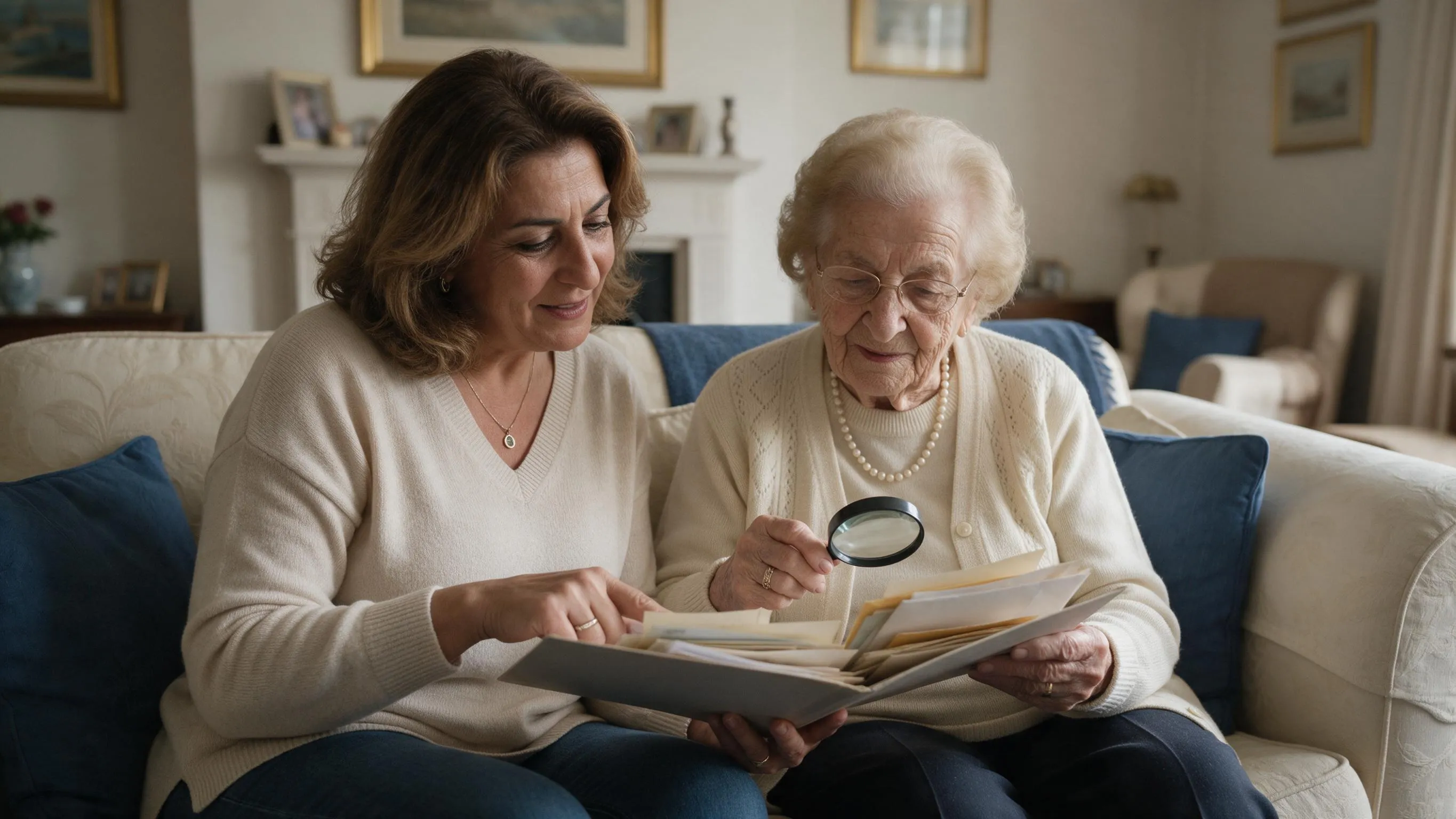
This is the part families most often miss. If the person you care for gets Pension Credit, Housing Benefit or certain older means-tested benefits, these may include an extra amount for severe disability: £86.05 a week in Pension Credit in 2026/27. That extra amount stops if someone is paid Carer’s Allowance for looking after them, and the same happens if someone gets the carer element of Universal Credit for looking after them. Their Council Tax Reduction may also change. Their Attendance Allowance or PIP is not affected.
For example, a mother who lives alone, gets Attendance Allowance and receives the extra £86.05 a week in her Pension Credit would lose that amount if her daughter were paid Carer’s Allowance for caring for her. The daughter would gain £86.45 a week, which is taxable and counts as her income for any means-tested benefits. The family may end up no better off, so ask a benefits adviser (Age UK, Carers UK or Citizens Advice) to compare before you claim. Underlying entitlement, below, does not cause this loss.
How Carer’s Allowance affects your own benefits
State Pension. Carer’s Allowance and the State Pension overlap, so you cannot get both in full. If your State Pension is £86.45 a week or more, Carer’s Allowance is not paid. You still have underlying entitlement, confirmed in a letter, and it can:
- add a carer amount of £48.15 a week to Pension Credit;
- add a carer premium of £48.15 a week to Housing Benefit and Council Tax Reduction;
- bring you into Pension Credit for the first time.
Because nothing is actually paid, underlying entitlement does not take away the cared-for person’s extra amount for severe disability. For many older carers, including husbands and wives, claiming is worthwhile even though no Carer’s Allowance is paid.
Universal Credit. Carer’s Allowance is taken off Universal Credit pound for pound, but Universal Credit includes a carer amount of £209.34 a month in 2026/27 for people caring at least 35 hours a week.
National Insurance. Carer’s Allowance gives you Class 1 National Insurance credits, which protect your State Pension, and you are not affected by the benefit cap.
Carer’s Credit
If you care for someone for at least 20 hours a week but cannot get Carer’s Allowance, for example because your earnings are above the limit, Carer’s Credit fills gaps in your National Insurance record so your State Pension is protected. You must be 16 or over and under State Pension age; income and savings do not matter, and you can add together hours spent caring for more than one person. The person you care for should get a qualifying benefit; if not, a health or social care professional can sign the Care Certificate on the claim form. Breaks of up to 12 weeks in a row do not stop it. Download the form from GOV.UK or request one on 0800 731 0297. People who get Carer’s Allowance receive credits automatically.
How to claim Carer’s Allowance, step by step
- Check the qualifying benefit. Make sure the person you care for has been awarded, or has claimed, Attendance Allowance, PIP daily living or another qualifying benefit.
- Get a benefits check if they get Pension Credit or Housing Benefit (see above).
- Gather the documents in the checklist below.
- Apply online through the Carer’s Allowance page on GOV.UK. If you cannot apply online, call the Carer’s Allowance Unit on 0800 731 0297 (Monday to Friday, 8am to 6pm; Relay UK: 18001 then 0800 731 0297) and ask for a paper form.
- Ask for backdating. A claim can be backdated by up to three months if you met the conditions then. If you claim soon after the person you care for is awarded their disability benefit, ask whether it can be backdated to when their benefit started.
- Keep a copy of your claim and watch for the decision letter, or the letter confirming underlying entitlement.
What to say when you call:
“Hello, I’d like to request a Carer’s Allowance claim form, please. I care for my father, [name], for more than 35 hours a week, and he gets Attendance Allowance. I’d also like to ask for my claim to be backdated for three months.”
If you disagree with a decision, ask for a mandatory reconsideration within one month of the date on the letter, by phone or in writing, explaining what is wrong (for example, how you worked out your earnings after deductions) and sending payslips or receipts.
Reporting changes and breaks

Report changes promptly to 0800 731 0297, including new work or a pay change, starting a course, moving house, or the cared-for person losing their benefit. Do not assume another department, the council or HMRC will pass it on. Carer’s Allowance can continue through short breaks, but tell DWP if either of you will be in hospital, a nursing home or respite care for more than 12 weeks, or if you stop caring for more than 28 days for any other reason. In Scotland, Carer Support Payment has replaced Carer’s Allowance.
Carer’s Allowance when paid care starts
Many families combine their own care with paid help. Carer’s Allowance depends only on whether you still provide at least 35 hours of care a week. If live-in care or regular visits mean you no longer do, tell DWP so you are not overpaid. If you still provide 35 hours, for example by covering evenings and weekends, you can keep it. Ask the council for a carer’s assessment too: it can lead to practical help and breaks, whatever your benefits.
A paid live-in carer and the extra amount for severe disability. There is a second trap to check before a live-in carer starts. The extra £86.05 a week in Pension Credit also depends on nobody aged 18 or over normally living with the person, apart from certain people the rules ignore. A carer who moves in to look after them is ignored only for the first 12 weeks, unless they are engaged through a charity or voluntary organisation that charges for the care, in which case they are ignored throughout. So if a privately arranged live-in carer counts as normally living in the home, the extra amount could stop after 12 weeks. Whether care workers on a rota, who keep their own homes elsewhere, “normally reside” with the person depends on the facts. Get specialist benefits advice before care starts, and report the arrangement to the Pension Service helpline on 0800 731 0469 (Monday to Friday, 8am to 6pm), because people moving in or out of the home is a change that must be reported.
Your Carer’s Allowance checklist
- Your National Insurance number, and your partner’s if you have one
- Bank or building society details (unless you get a State Pension)
- Your latest payslip, your employer’s details, or your P45 if you have just left work
- Course details, if you are studying
- Records of pension contributions and care costs you pay while at work
- The cared-for person’s name, date of birth, address and National Insurance number
- A copy of their Attendance Allowance or PIP award letter, if you have it
- A benefits check done if they get Pension Credit or Housing Benefit
- Your weekly earnings after deductions checked against £204
- Carer’s Credit considered if you care for 20 to 34 hours a week
What to do next
- Add up your caring hours in a typical week and your earnings after deductions.
- Get a benefits check if the person you care for gets Pension Credit or Housing Benefit.
- Apply online or call 0800 731 0297, and claim even if you get a State Pension.
- Ask the council for a carer’s assessment and look at respite options.
How we can help
Day and Nightcare is a CQC-registered home care provider, rated Good, supporting people and their families at home since 2008. We provide home care visits, waking nights and sleep-ins across Oxfordshire, and fully managed live-in care anywhere in England from £1,550 a week, including respite live-in care so family carers can take a proper break. Care can be funded privately, by councils (including direct payments) or by NHS Continuing Healthcare. Call us on 01865 715780 for a free initial assessment.
Common questions
Can I get Carer's Allowance if I work?
Yes, as long as your earnings are £204 a week or less in 2026/27, after tax, National Insurance and allowable expenses such as half of your pension contributions. You must still provide at least 35 hours of care a week. The limit is strict: earning even £1 over it in a week means no Carer's Allowance for that week, so keep a close eye on overtime, bonuses and holiday pay, and report changes promptly.
Can I get Carer's Allowance and my State Pension?
Not both in full. If your State Pension is £86.45 a week or more, Carer's Allowance is not paid; if it is less, Carer's Allowance tops it up to that amount. It is still worth claiming, because you are given 'underlying entitlement', which can add a carer amount of £48.15 a week to Pension Credit, Housing Benefit or Council Tax Reduction. Underlying entitlement does not reduce the cared-for person's benefits.
Does Carer's Allowance affect the benefits of the person I care for?
It can. If the person you care for gets an extra amount for severe disability in Pension Credit, or a severe disability premium in Housing Benefit or other older benefits, it stops when someone is paid Carer's Allowance for looking after them. Their Council Tax Reduction may also change. Their Attendance Allowance or PIP is not affected. Check with a benefits adviser before claiming so the household is not worse off overall.
Do I have to live with the person I care for?
No. You do not have to live with the person or be related to them. What matters is that you spend at least 35 hours a week caring for them, which can include practical help such as shopping, cooking, managing bills, keeping them safe and taking them to appointments, as well as personal care. Only one person can get Carer's Allowance for caring for a particular person.
Is Carer's Allowance taxable?
Yes. Carer's Allowance counts as taxable income, so if your total income is above your Personal Allowance, tax may be due on it, usually collected through your tax code. It also counts as income for means-tested benefits such as Universal Credit, although those benefits usually include an extra amount for carers. It gives you National Insurance credits towards your State Pension.
Sources and further information
- GOV.UK: Carer's Allowance
- GOV.UK: Carer's Allowance, how to claim
- GOV.UK: Benefit and pension rates 2026 to 2027
- GOV.UK: Carer's Credit
- GOV.UK: Pension Credit, what you'll get
- GOV.UK: Budget 2026 (Carer's Allowance earnings taper)
- legislation.gov.uk: State Pension Credit Regulations 2002, Schedule I (severe disability and carers)
- Carers UK: Carer's Allowance
Prepared by the Day and Nightcare care team. Last updated 30 October 2026; sources last checked 30 October 2026. This guide is general information about care in England, not financial, legal or medical advice.